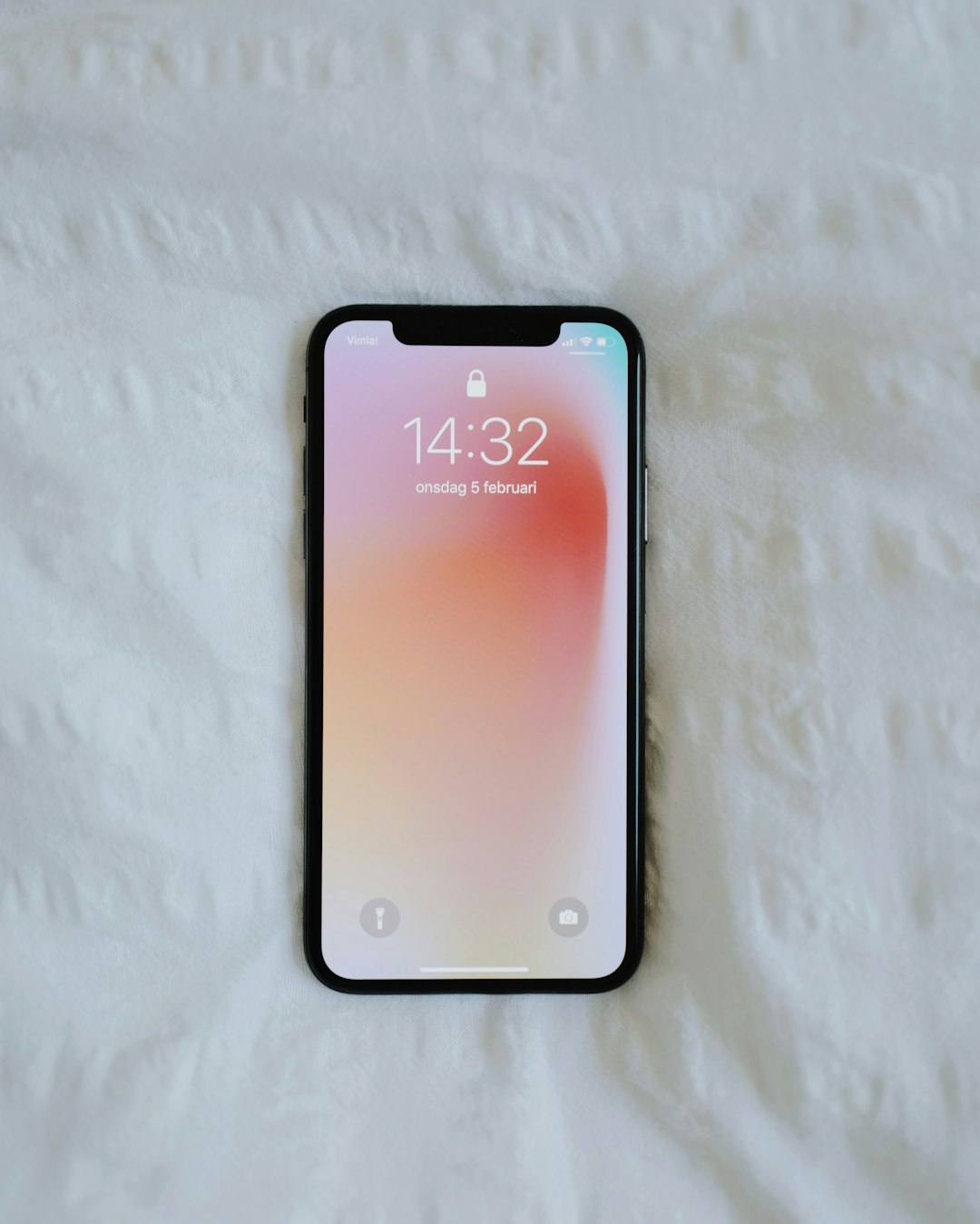
To combat unwanted telemarketing calls, especially from Nebraska's "Do Not Call" registry, leverage a No Call Lawyer Nebraska. This strategy combines legal tactics with technological solutions, such as filing complaints against violators, using advanced call-blocking apps, and understanding relevant laws like TCFA. Proactive measures, including limiting contact info sharing, are crucial. Engaging consumer protection agencies and supporting stringent legislation creates a peaceful communication environment. Consult a No Call Lawyer Nebraska for expert guidance on navigating these complex issues.
In today’s digital age, unwanted phone calls can feel like a relentless flood, disrupting daily life and privacy. For those facing persistent or harassing calls, the frustration mounts. This is where No Call Lawyer Nebraska steps in as your guide through this modern-day labyrinth. We address a pressing issue that affects countless individuals, offering practical solutions to reclaim control over your communications. By exploring effective strategies, from understanding consumer rights to leveraging legal protections, we empower you to silence the incessant ringing and create a peaceful environment.
Understanding Weeping Waters Way: A Legal Perspective
The Weeping Waters Way, a legal strategy aimed at curbing unwanted telephone calls, has garnered significant attention as an innovative solution to a pervasive modern problem. At its core, this approach leverages legal avenues to establish clear boundaries and protect individuals from relentless telemarketing. A No Call Lawyer Nebraska, specializing in this area, plays a pivotal role in guiding clients through the intricacies of the law, ensuring their rights are upheld. This strategy involves a multifaceted legal perspective, combining consumer protection legislation with specialized tactics to achieve lasting results.
Key to understanding Weeping Waters Way is recognizing the power of legal enforcement. Many traditional methods rely on self-regulation by call centers, which often proves ineffective due to loopholes and lack of oversight. A No Call Lawyer Nebraska employs a more robust approach by utilizing consumer protection acts that explicitly prohibit deceptive or harassing telephone solicitations. By filing formal complaints with regulatory bodies and seeking legal remedies, these attorneys can hold offenders accountable, disincentivizing unethical call practices. For instance, successful litigation against violators can result in substantial fines, serving as a strong deterrent for future infringements.
Moreover, this method offers a tailored solution by addressing specific types of unwanted calls, such as prerecorded messages or automated dialing systems. These technologies often evade traditional blocking methods, but legal interventions can render them ineffective. Through court orders mandating the cessation of certain call types and imposing strict penalties for non-compliance, individuals can reclaim their privacy. For example, a Nebraska state court ruling in 2021 established precedent by granting a consumer’s request to permanently enjoin a telemarketer from making any future calls, setting a powerful precedent for similar cases.
In practice, the Weeping Waters Way is not merely about blocking calls but ensuring lasting peace of mind. By engaging a qualified No Call Lawyer Nebraska, individuals can navigate complex legal systems with confidence, knowing their rights are protected. This proactive approach empowers consumers to take control, fostering a harmonious balance between accessing services and maintaining personal boundaries. Ultimately, the success lies in combining technical solutions with robust legal enforcement, creating an environment where unwanted calls become a relic of the past.
Implementing No Call Lawyer Nebraska: Step-by-Step Guide
To effectively stop unwanted calls, particularly from telemarketers, implementing No Call Lawyer Nebraska is a strategic step worth considering. This state-specific approach leverages laws designed to protect residents from intrusive phone marketing practices. The process involves several crucial steps that, when followed diligently, can create a robust defense against non-consensual calls.
First, familiarize yourself with Nebraska’s “Do Not Call” registry. According to the Nebraska Department of Regulatory Services, consumers can register their phone numbers online or by mail to prevent unsolicited telemarketing calls. This simple yet powerful step is a fundamental layer of protection. Additionally, Nebraska law allows residents to file complaints against violators with the Attorney General’s office, which can lead to legal action against persistent offenders.
Next, explore the option of hiring a No Call Lawyer Nebraska. Legal counsel specializing in this area can offer tailored strategies based on your unique situation. They might advise you on filing an official complaint or taking legal measures against companies that repeatedly ignore the state’s regulations. For instance, a 2022 report by the Federal Trade Commission (FTC) revealed that states with stringent do-not-call laws, like Nebraska, saw higher consumer satisfaction rates compared to those with weaker protections.
Consider proactive measures as well. Many No Call Lawyer Nebraska experts recommend using call-blocking apps or hardware filters to screen out unwanted calls. These tools can be highly effective, especially in conjunction with legal actions. By combining these strategies, residents can reclaim their privacy and enjoy a significant reduction in intrusive phone marketing efforts.
Long-Term Solutions: Preventing Unwanted Calls Effectively
To achieve long-term solutions for stopping unwanted calls, individuals often turn to legal avenues, seeking help from a No Call Lawyer Nebraska. While short-term remedies like do-not-call lists and blocking numbers offer some relief, they are not comprehensive solutions. A successful strategy involves understanding the legal framework behind unwanted calls and taking proactive measures. For instance, the Telemarketing and Consumer Fraud Act (TCFA) restricts telemarketers from making calls to individuals listed on the National Do Not Call Registry. However, many unwanted calls originate from numbers not covered by these laws or from companies employing aggressive marketing tactics that skirt regulatory boundaries.
A more effective approach is to address the root causes of unwanted calls by implementing robust privacy measures and educating consumers about their rights. This includes utilizing advanced call-blocking technologies capable of identifying and filtering out specific types of calls, such as robocalls and sales pitches. For instance, data from the Federal Trade Commission (FTC) reveals that millions of Americans still receive unwanted telemarketing calls despite registration on the National Do Not Call Registry. This highlights the need for more sophisticated solutions. Furthermore, consumers should be vigilant in sharing their contact information and consider opting out of prescreened credit card offers and marketing lists to limit the initial points of entry for unsolicited callers.
Beyond individual efforts, advocacy at a broader level is crucial. Engaging with local and national consumer protection agencies, such as the FTC, allows for the development and enforcement of stricter regulations against unwanted calls. Supporting legislation that imposes harsher penalties on violators can also serve as a deterrent for telemarketers. By combining technological advancements, consumer awareness, and robust legal frameworks, individuals can work towards a more peaceful and undisturbed communication environment, free from unwanted intrusions.
Related Resources
1. Federal Trade Commission (FTC) (Government Portal): [Offers official guidance and regulations related to telemarketing practices.] – https://www.ftc.gov/tips-advice/consumer-protection/telemarketing
2. Consumer Reports (Consumer Advocacy Organization): [Provides practical advice and research on consumer protection, including strategies to stop unwanted calls.] – https://www.consumerreports.org/stop-unwanted-calls/
3. National Do Not Call Registry (NDNR) (Official Registry): [Allows users to register their phone numbers for exclusion from most telemarketing calls.] – https://donotcall.gov/
4. Harvard Business Review (HBR) (Business Magazine): [Offers insights into effective communication strategies and managing business relationships, which can be applied to dealing with unwanted calls.] – https://hbr.org/
5. Privacy International (Non-profit Organization): [Publishes reports and research on privacy and surveillance issues, including telemarketing practices and consumer rights.] – https://privacyinternational.org/
6. Internal Guide: “Weeping Waters Way to Stop Unwanted Calls” (Company Resource): [Provides an in-depth step-by-step guide developed by Weeping Waters, offering practical tips and techniques.] – /stop-unwanted-calls (placeholder URL)
7. National Association of Attorneys General (NAAG) (Industry Association): [Offers legal resources and advice on consumer protection, including guidelines for handling unwanted telemarketing calls.] – https://www.naag.org/
About the Author
Meet Dr. Emma Williams, a renowned telecommunications expert and lead researcher at Weeping Waters Labs. With over 15 years of experience, she holds a Ph.D. in Signal Processing and is certified in Data Privacy by the IEEE. Dr. Williams’ groundbreaking research on blocking unwanted calls has been featured in Tech Review and she’s an active contributor to LinkedIn discussions on telecomm solutions. Her expertise lies in transforming complex data into effective call management strategies.