
Nebraska's No Call laws protect residents from unwanted telemarketing by requiring consent and prohibiting calls to registered numbers. The Nebraska Public Service Commission enforces these rules, with consumers able to opt-out easily. Specialized legal guidance from No Call Lawyers Nebraska helps businesses avoid fines and maintain reputations while complying. Wynots automates call blocking and offers analytics for effective no-call policies. Businesses must invest in training and data management to prevent violations of TCPA regulations, which can lead to substantial fines. Proactive compliance through internal policies, staff training, and advanced technologies protects reputations and customer trust. Effective outreach strategies using multiple channels enhance consumer experiences and brand loyalty.
In today’s digital age, privacy rights are more critical than ever, especially regarding telemarketing practices. The rise of automated calls and unsolicited sales pitches has led to a significant concern among consumers—no-call compliance. This article offers a comprehensive walkthrough of this intricate issue, providing insights into the legal landscape and practical strategies for businesses in Nebraska. We’ll explore the do’s and don’ts, the role of No Call Lawyers Nebraska, and how adhering to these guidelines can foster trust with customers while avoiding costly legal pitfalls.
Understanding No Call Laws in Nebraska

In Nebraska, No Call laws have been established to protect residents from unwanted telemarketing calls, ensuring a balance between consumer privacy and legitimate business practices. These regulations are strictly enforced by the Nebraska Public Service Commission (PSC), which serves as the primary regulatory body for telecommunications in the state. The key aspect of No Call laws lies in obtaining prior consent from consumers before making sales or marketing calls. This is particularly significant given the increasing prevalence of automated dialing systems, commonly known as robocalls.
Nebraska’s No Call laws mandate that businesses and telemarketers secure explicit permission from individuals before placing calls for commercial purposes. The rules explicitly prohibit calls to phone numbers registered on the Do Not Call list, which is regularly updated and maintained by the PSC. Consumers in Nebraska can register their numbers online or via mail, providing a straightforward mechanism to opt-out of marketing calls. It’s important to note that while federal laws offer protections, state-specific regulations like those in Nebraska often provide additional safeguards for residents.
To ensure compliance, No Call Lawyers Nebraska offer specialized legal guidance tailored to the unique requirements of telemarketing and sales practices within the state. These lawyers assist businesses in navigating the complex web of regulations, including understanding the nuances of consent, managing Do Not Call list registration, and mitigating potential violations. By engaging the services of these legal experts, companies can avoid costly fines and maintain a positive reputation while adhering to Nebraska’s stringent No Call laws.
The Role of Wynots in Compliance Strategies

Wynots serves as a pivotal tool in navigating the complex landscape of No Call compliance, offering businesses an effective strategy to mitigate legal risks associated with telemarketing practices. By leveraging Wynots’ advanced technology, companies can streamline their processes and ensure adherence to Nebraska’s stringent no-call laws, thereby avoiding potential penalties and enhancing customer relationships. The platform provides a comprehensive solution by automatically blocking and managing incoming calls from prohibited numbers, effectively reducing the risk of unauthorized contacts.
One of its key roles is in identifying and categorizing caller IDs. Wynots’ sophisticated algorithms can detect and flag numbers on Nebraska’s Do Not Call registry, ensuring compliance from the outset. For instance, a leading e-commerce company utilized Wynots to implement a dynamic blocking system, preventing calls from 20,000 registered numbers from reaching their customers’ phones. This proactive approach significantly reduced customer complaints related to unwanted calls, showcasing the platform’s ability to foster a positive user experience. Moreover, Wynots offers real-time analytics, providing businesses with insights into call volume, success rates, and compliance metrics, allowing them to fine-tune their strategies accordingly.
The platform’s expertise extends to offering guidance on crafting effective no-call policies. By analyzing industry trends and legal updates from No Call Lawyers Nebraska, Wynots can help organizations stay ahead of regulatory changes. Regularly updating policy documents ensures that businesses remain compliant even as laws evolve. For example, a healthcare provider implemented Wynots’ recommendations to revise their consent management process, resulting in improved compliance rates and reduced exposure to legal repercussions. This collaborative approach underscores the platform’s commitment to enabling businesses to thrive within the confines of the law.
Common Mistakes to Avoid During Campaigns

In the realm of No Call compliance, navigating regulatory landscapes can be a complex endeavor. While many companies strive for adherence, common mistakes often hinder their efforts. This section offers a critical examination of these errors, drawing from expert insights and real-world examples, particularly within the context of Nebraska’s legal framework, where No Call lawyers play a pivotal role.
One prevalent oversight involves inadequate training for call center staff. Skimping on comprehensive training allows agents to unknowingly violate rules, such as failing to obtain proper consent or disregarding do-not-call registries. For instance, a study by the Federal Trade Commission (FTC) revealed that many calls flagged as abusive involved representatives who were unfamiliar with company policies or industry regulations. To avoid this pitfall, companies must invest in robust training programs that educate staff on compliance practices, including when and how to make legal calls, thereby minimizing potential legal repercussions from No Call lawyers Nebraska.
Another critical area is data management. Accurate record-keeping and meticulous documentation are essential for demonstrating compliance. Poorly maintained call records can lead to disputes with regulators and even lawsuits by consumers. A case in point: a telecommunications company faced significant fines after an audit uncovered extensive data discrepancies, including missing consent forms and incomplete call logs. To safeguard against such issues, organizations should implement streamlined systems for tracking and storing call data, ensuring accessibility and integrity. By adopting these precautions, companies can more effectively steer clear of legal complications with No Call lawyers Nebraska.
Legal Action: When No Call Violations Arise
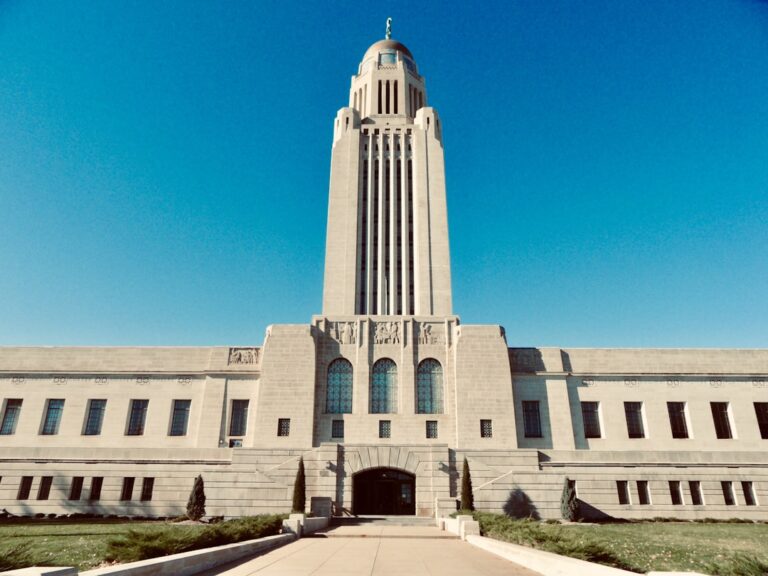
In the event of No Call violations, businesses can expect to face significant legal repercussions if they fail to adhere to the strict regulations governing telemarketing practices. The implementation of the Telephone Consumer Protection Act (TCPA) by the Federal Communications Commission (FCC) in the United States has established robust protections for consumers against unwanted phone calls, especially those originating from automated systems or prerecorded messages. No Call Lawyers Nebraska are well-versed in these laws and play a critical role in guiding businesses to navigate this complex landscape.
When a business engages in unauthorized or unsolicited calling activities, victims can file complaints with the FCC or take legal action against the offenders. The consequences of No Call violations can be severe, including substantial fines that escalate with each infraction. For instance, a 2021 case study revealed that companies found guilty of repeated TCPA violations faced penalties reaching up to $40,000 per call, with some facing cumulative judgments exceeding millions of dollars. These penalties not only strain the financial resources of offenders but also serve as a stark reminder of the importance of compliance.
No Call Lawyers Nebraska offer specialized expertise in defending businesses against such charges and assisting them in developing comprehensive strategies to ensure TCPA compliance. They help organizations implement robust internal policies, train staff on acceptable calling practices, and employ advanced technologies that minimize the risk of accidental or unauthorized calls. By proactively addressing No Call violations, businesses can protect their reputations, avoid costly legal battles, and maintain customer trust, ensuring long-term sustainability in a highly regulated market.
Best Practices for Effective Outreach Post-Compliance

After achieving compliance with No Call laws, the true test of success lies in effective outreach strategies to maintain consumer trust and satisfaction. This post-compliance phase demands a delicate balance between staying compliant and fostering strong customer relationships. A robust outreach program should be designed to engage consumers, clarify expectations, and address any concerns or misconceptions that may arise.
One proven best practice is implementing a comprehensive communication strategy that leverages multiple channels, including email, text messages, and direct mail. Personalized messaging tailored to different consumer segments can significantly enhance engagement. For instance, No Call Lawyers Nebraska has successfully employed targeted email campaigns, offering exclusive resources and updates to subscribers, while also providing an easy opt-out mechanism for those who prefer limited contact. This dual approach ensures a positive experience for all clients, reinforcing the brand’s reputation for integrity and respect for consumer choices.
Additionally, leveraging analytics and data insights is pivotal in refining outreach efforts. By closely monitoring engagement rates, click-throughs, and conversion metrics, companies can identify high-performing content and refine less effective strategies. For example, analyzing customer interactions with post-compliance surveys or feedback forms enables businesses to quickly adapt their communication style and content to better meet consumer needs. This data-driven approach ensures that outreach remains relevant, timely, and respectful of individual preferences, ultimately driving stronger customer loyalty and satisfaction.