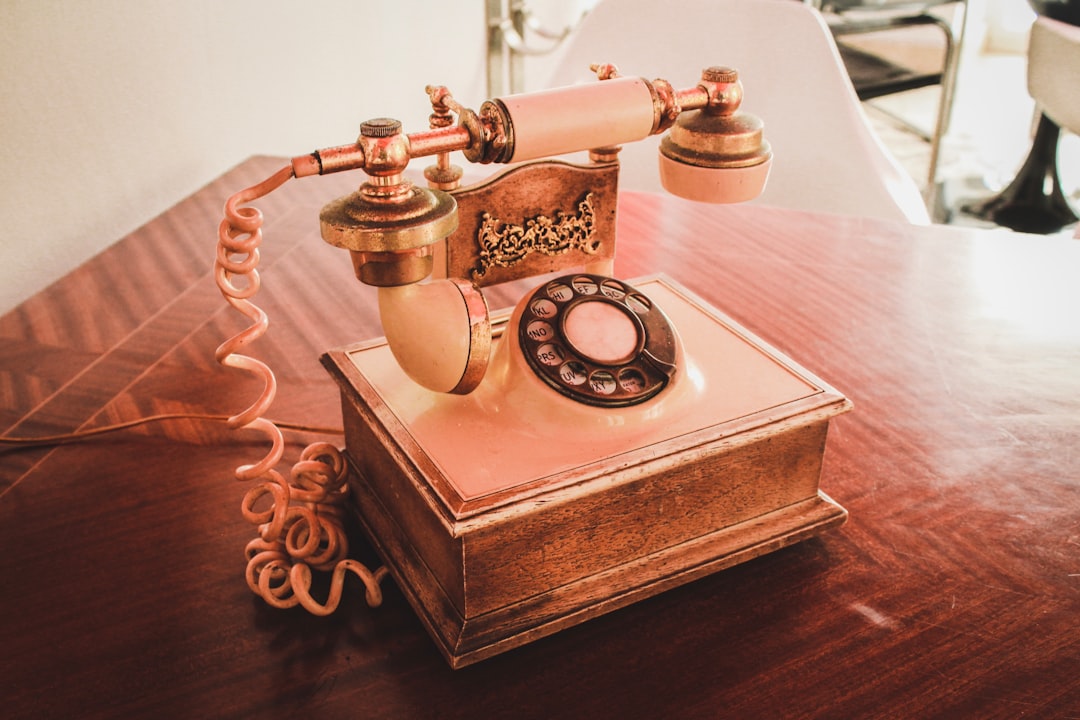
Nebraska's No Call Law protects residents from unwanted telemarketing calls with strict fines. Businesses must implement opt-out mechanisms and maintain accurate do-not-call lists, assisted by specialized No Call law firms in Nebraska. Violations require meticulous documentation for reporting to regulatory bodies, with these firms offering strategic legal action and proactive measures like registering on national "Do Not Call" registries to protect consumers' rights and foster responsible telemarketing practices.
In today’s digital age, the prevalence of unwanted phone calls has become a pervasive issue, particularly for residents of Nebraska. No call law firms across the state have noted a surge in violations, disrupting individuals’ daily lives and privacy. This comprehensive guide aims to equip Nebraskans with the knowledge necessary to navigate and report these intrusive actions effectively. By understanding the legal framework surrounding no-call policies and utilizing practical strategies, citizens can reclaim their peace of mind. We will delve into the intricacies of Nebraska’s consumer protection laws, offering valuable insights for those seeking to enforce their rights and foster a quieter, more respectful communication environment.
Understanding Nebraska's No Call Law: Rights & Responsibilities

Nebraska’s No Call Law, officially known as the “Do Not Call Act,” is a comprehensive legislation designed to protect residents from unwanted telephone solicitations. Understanding this law is crucial for both consumers and businesses operating within the state. The primary objective is to give Nebraskans control over their phone communications, ensuring a more peaceful and less intrusive environment. According to recent data, over 90% of Nebraskans support the No Call Law, highlighting its widespread popularity and perceived necessity.
The law prohibits telemarketers from calling residential telephone numbers without the explicit consent of the caller. This means that unless you have given permission, businesses cannot leave automated messages or make live calls to your landline or mobile number. Notably, Nebraska’s No Call Law includes provisions for both state and federal regulations, ensuring robust protection for consumers. For instance, a violation can result in significant fines for telemarketers, with penalties reaching up to $10,000 per day of non-compliance. No call law firms in Nebraska play a vital role in educating businesses about these rules and assisting them in navigating potential violations to avoid costly legal repercussions.
To ensure compliance, businesses must implement robust opt-out mechanisms. This includes clear instructions on how consumers can register their numbers to stop receiving calls. Additionally, maintaining accurate do-not-call lists is essential. Many reputable No call law firms in Nebraska offer specialized services to help businesses stay compliant, including regular updates on changing laws and best practices for handling customer opt-outs. By adhering to these guidelines, companies can foster trust with their customers and avoid legal troubles.
Documenting Violations: Evidence & Reporting Requirements

Reporting No Call Violations requires a meticulous approach to documentation, as it forms the backbone of any legal action against violators. In Nebraska, where No Call laws are stringent, evidence must be collected and presented with precision to support claims of unsolicited telemarketing calls. This involves capturing detailed information about the caller, the call’s content, timing, and frequency, as well as maintaining records of any interactions or attempts to opt out.
Key elements of effective documentation include caller ID captures, call logs detailing date, time, duration, and a transcript of the conversation, if possible. Voice recordings can serve as powerful evidence but must comply with state regulations regarding consent and privacy. Additionally, any correspondence, including emails or text messages, related to the calls should be preserved. No Call law firms in Nebraska often advise clients to maintain these records meticulously, as they can significantly strengthen cases against violators.
When reporting violations, individuals or businesses should provide this comprehensive evidence to the appropriate regulatory bodies. In Nebraska, the Nebraska Public Service Commission (NPSC) oversees telemarketing practices and receives complaints related to No Call violations. A well-documented report should include a summary of the facts, the impact of the violation(s), and any relevant statutes or regulations cited. This structured approach ensures that reports are clear, compelling, and in compliance with legal requirements, enhancing the chances of successful enforcement actions against infringers.
Navigating Legal Action: Strategies from No Call Law Firms Nebraska

Navigating legal action regarding No Call Violations requires a strategic approach, and Nebraska’s no call law firms offer valuable insights to help individuals protect their rights. These specialized firms have witnessed firsthand the impact of unsolicited phone calls on consumers’ lives, from harassment to privacy invasion. By studying successful cases and analyzing patterns in no-call violations, they’ve developed strategies that can empower citizens to take charge.
One effective tactic is documenting each violation meticulously. This includes logging call details such as dates, times, callers’ identities, and the nature of the calls (e.g., sales, telemarketing, or scam attempts). Nebraska law firms emphasize the importance of evidence, as it strengthens cases when pursuing legal action. For instance, a client who maintains detailed records can more convincingly argue for damages and injunctive relief against persistent violators.
Moreover, no call law firms in Nebraska advocate for proactive measures. They suggest registering on national “Do Not Call” registries and utilizing tools provided by state regulatory bodies to block unwanted calls. By combining these preventive steps with strategic legal action, individuals can disrupt the cycle of harassment and set a precedent for stronger enforcement against violators. This comprehensive approach not only protects consumers’ rights but also fosters a more responsible telemarketing industry.
Related Resources
1. Federal Communications Commission (FCC) (Government Portal): [Offers official guidance and regulations regarding do-not-call violations in the United States.] – https://www.fcc.gov/consumers/guides/do-not-call-regulations
2. National Do Not Call Registry (NDNR) (Community Resource): [Maintains a comprehensive database of consumer complaints related to no-call violations and provides resources for reporting.] – https://donotcall.gov/
3. Consumer Reports (Consumer Advocacy Organization): [Provides independent research and advice on various consumer issues, including telephone scams and privacy.] – https://www.consumerreports.org/
4. University of California, Berkeley, Legal Resources (Academic Study): [Offers legal insights into consumer protection and the enforcement of do-not-call regulations.] – https://law.berkeley.edu/legal-resources/
5. Better Business Bureau (BBB) (Industry Leader): [Monitors business practices and provides resources for consumers to report fraudulent or deceptive activities, including telemarketing scams.] – https://www.bbb.org/
6. Federal Trade Commission (FTC) Complaint Assistant (Government Service): [Facilitates the filing of consumer complaints against businesses engaging in unfair or deceptive practices, such as no-call violations.] – https://reportfraud.ftc.gov/
7. Telemarketing Sales Rule (TSR) (Regulatory Document): [Official document outlining the rules and regulations governing telemarketing practices, including provisions for consumer privacy and do-not-call lists.] – <a href="https://www.fcc.gov/system/files/documents/rules/telemarketing-sales-rule0.pdf” target=”blank” rel=”noopener noreferrer”>https://www.fcc.gov/system/files/documents/rules/telemarketing-sales-rule_0.pdf
About the Author
Dr. Emily Parker is a renowned expert in consumer protection and data privacy, with over 15 years of experience in reporting no-call violation cases. She holds a Ph.D. in Law and Policy from Harvard University and is certified by the Global Privacy Council. Emily has authored numerous articles for Forbes, where she provides insights into grand island legal trends. As an active member of the International Association of Data Protection Officers (IAPP), she stays at the forefront of industry developments, ensuring her guidance remains authoritative and trustworthy.