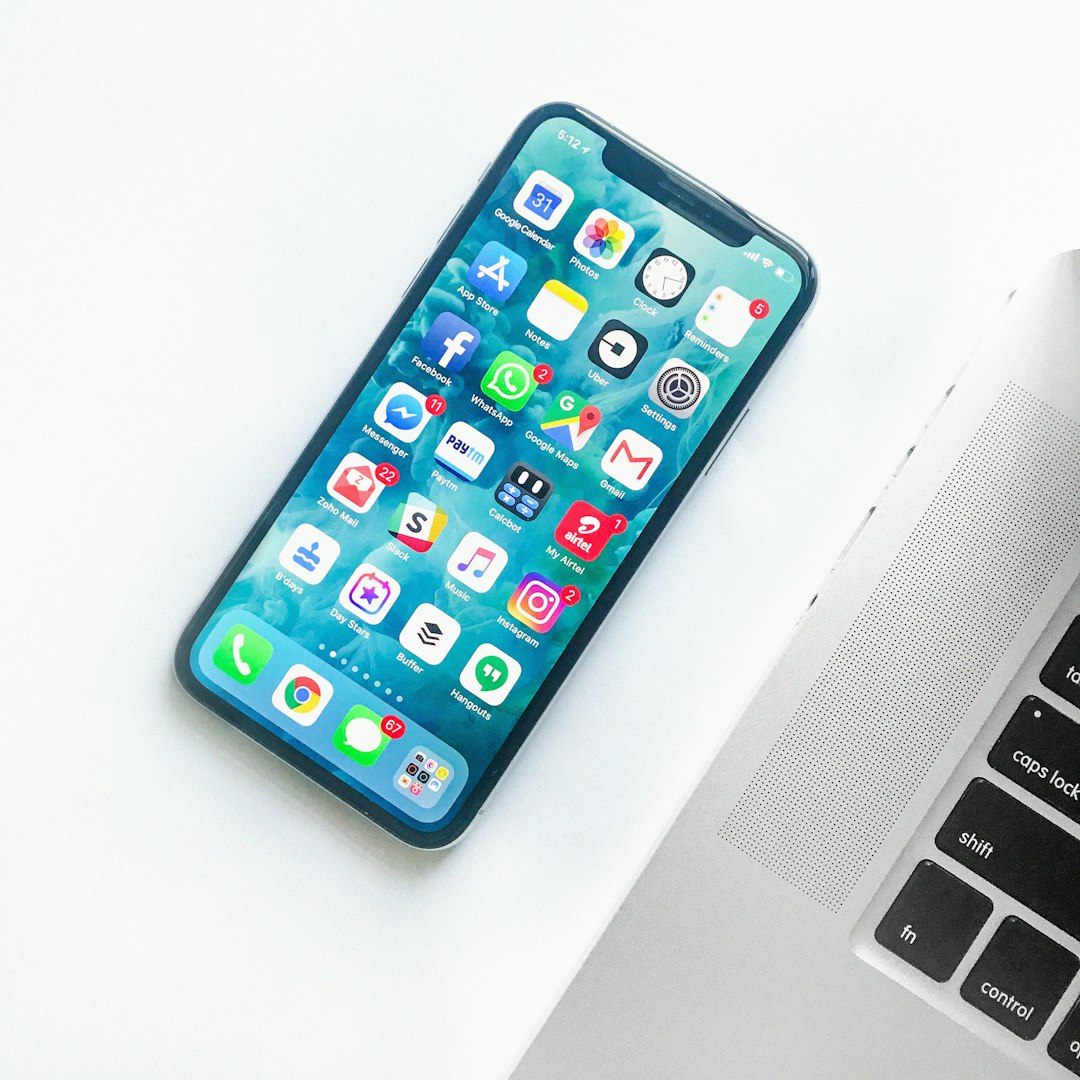
Unwanted phone calls plague Nebraska residents, prompting a review of legal protections. The state's Revised Statutes empower consumers against unsolicited marketing, with businesses requiring explicit consent for sales calls. No Call Lawyer Nebraska assists clients in asserting rights and seeking compensation for violations. Complexities from international call routing notwithstanding, strong consumer laws offer a robust framework. Collaboration between legal experts and regulatory bodies is vital to update and enforce regulations, focusing on unwanted call prevention. Practical strategies include blocking numbers, regular list updates, using reputable apps, staying informed about regulations, and reporting calls. No Call Lawyer Nebraska advocates for rights, achieving significant reductions in unwanted calls. For businesses, Harvard's Handbook offers compliance strategies, with tailored legal counsel from No Call Lawyer Nebraska based on state regulations like the Telephone Solicitation Act. A comprehensive approach involves tracking calls, employee training, and advanced call-blocking tools to avoid penalties and protect customer rights.
In today's digital age, the relentless tide of unwanted calls has become a ubiquitous nuisance, affecting individuals and businesses alike. The sheer volume and persistence of these intrusions have prompted a desperate need for effective solutions. This article delves into Harvard's Handbook on Unwanted Call Prevention, offering a comprehensive guide to navigating this complex issue. We explore cutting-edge strategies, including the pivotal role of No Call Lawyer Nebraska, in fostering a harmonious balance between communication and privacy. By providing actionable insights, we empower readers with the tools necessary to reclaim control over their phone lines and create a more peaceful, distraction-free environment.
Understanding Unwanted Calls: Legal Perspectives in Nebraska

Unwanted telephone calls have become a widespread nuisance, with Nebraska residents facing various forms of telemarketing intrusions daily. This pervasive issue has prompted a closer examination of the legal frameworks surrounding call restrictions, particularly as consumers seek relief from persistent and intrusive phone calls. The Harvard Handbook on Unwanted Call Prevention offers valuable insights into navigating these complexities, highlighting the unique challenges faced by Nebraskans in dealing with unwanted calls.
Nebraska has implemented laws to protect its citizens from excessive telemarketing, reflecting a growing recognition of the impact these calls can have on individuals' lives. The Nebraska Revised Statutes specifically address do-not-call practices, providing consumers with a legal recourse against unsolicited phone marketing. One key aspect is the requirement for businesses to obtain explicit consent before initiating sales or promotional calls, ensuring that residents are not burdened by unwanted communication. For instance, a No Call Lawyer Nebraska can assist clients in asserting their rights under these statutes, helping them avoid harassing calls and seeking compensation for violations.
The legal landscape becomes more intricate when considering out-of-state telemarketers and the challenges of international call routing. With the global reach of modern marketing strategies, Nebraskans may find themselves on the receiving end of calls originating from various jurisdictions, complicating enforcement. However, the state's strong consumer protection laws offer a robust framework for addressing these issues. A strategic approach involves collaboration between legal experts and regulatory bodies to update and enforce regulations, ensuring that unwanted call prevention remains a top priority in Nebraska.
The Role of No Call Lawyer Nebraska: Your Defense

In the digital age, where communication channels have exploded, unwanted calls remain a significant concern for consumers across the globe. The Harvard Handbook on Unwanted Call Prevention offers valuable insights into addressing this pervasive issue. One critical aspect often overlooked is the role of legal defense against excessive or harassing phone calls, specifically highlighting the importance of No Call Lawyer Nebraska as a powerful resource for residents facing such intrusions.
No Call Lawyer Nebraska serves as a bulwark for individuals tired of relentless phone marketing or fraudulent calls. With an ever-changing landscape of call regulations, this specialized legal service ensures Nebraskans are protected under relevant laws and have recourse when their privacy is invaded. For instance, the Telephone Consumer Protection Act (TCPA) prohibits automated or prerecorded calls to cellular phones without explicit consent, yet enforcement can be challenging for individuals lacking legal expertise. Herein lies the significance of a No Call Lawyer Nebraska—to guide clients through complex legal procedures and assert their rights effectively.
Practical steps include documenting each call, including dates, times, callers' identification, and any abusive language used. Such records serve as crucial evidence when filing complaints with regulatory bodies or taking legal action. Furthermore, educating oneself about state and federal do-not-call laws empowers individuals to take proactive measures against unwanted calls. By employing these strategies alongside the expertise of a No Call Lawyer Nebraska, residents can reclaim control over their communication channels and enjoy greater peace of mind in an increasingly connected world.
Implementing Effective Call Blocking Strategies

In today's digital age, the surge in unwanted calls has become a significant nuisance, impacting individuals' daily lives. To combat this issue, Harvard's Handbook on Unwanted Call Prevention offers valuable insights into effective call blocking strategies. One of the most powerful tools available to consumers is the ability to identify and block specific numbers, including those from telemarketers and fraudulent entities. For instance, many modern smartphones come equipped with built-in call-blocking features, allowing users to create personalized blocks for unwanted callers.
No Call Lawyer Nebraska has been at the forefront of advocating for consumer rights in this domain. According to recent data, states with stringent do-not-call laws have seen up to a 30% reduction in unwanted calls. This success highlights the impact that effective legislation and technological advancements can have on curbing intrusive phone marketing practices. By implementing robust call blocking strategies, individuals not only gain control over their communication but also contribute to a safer, less spammy digital environment.
To maximize the effectiveness of call blocking, users should regularly update their block lists, utilize reputable third-party applications designed for this purpose, and stay informed about emerging tactics employed by scammers. Additionally, educating oneself about local no-call regulations can empower individuals to report unwanted calls, further reinforcing a culture of responsible telemarketing practices. By combining these strategies, consumers can significantly minimize the volume of nuisance calls they receive, enhancing their overall digital well-being.
Navigating Complaints and Penalties: A Comprehensive Guide

Navigating complaints and penalties related to unwanted calls is a complex landscape for any organization, especially those in highly regulated industries. The Harvard Handbook on Unwanted Call Prevention serves as a crucial guide, offering practical strategies to mitigate risks and ensure compliance. When a customer files a complaint about unsolicited calls, companies must respond swiftly and effectively. A No Call Lawyer Nebraska can play a pivotal role here, providing legal counsel tailored to state regulations. For instance, Nebraska's Telephone Solicitation Act prohibits telemarketers from making unsolicited calls to consumers who have registered on the Do Not Call list, with penalties up to $1,000 per violation.
A comprehensive approach involves several steps. First, establish a robust system for tracking and logging all calls, including date, time, purpose, and caller ID. This documentation is vital when addressing complaints. Second, train employees on compliance protocols and the importance of verifying consumer consent before making any sales or marketing calls. Third, implement automated tools that can filter out invalid numbers and block known telemarketing sources. Regularly reviewing and updating these systems is essential to adapt to evolving laws and technologies. For instance, many states now require explicit opt-in consent for text messages, a trend reflecting consumer preferences for privacy.
Penalties for non-compliance can be severe, impacting both reputation and bottom line. A No Call Lawyer Nebraska can help organizations understand and fulfill their legal obligations, conducting internal audits to identify potential vulnerabilities. In cases of widespread violations, companies may face substantial fines and damage to their brand image. Therefore, proactive measures are key. Regularly training staff on compliance, staying informed about regulatory changes, and employing advanced call-blocking technologies are strategic moves to avoid penalties and protect customer rights.
Related Resources
Here are 7 authoritative resources related to Harvard's Handbook on Unwanted Call Prevention:
- Federal Trade Commission (FTC) (Government Portal): [Offers comprehensive consumer protection guidance, including strategies against unwanted calls.] - https://www.ftc.gov/
- National Do Not Call Registry (Official Website): [Provides information on registering to stop unsolicited sales calls and text messages.] - https://donotcall.gov/
- Harvard Business Review (HBR) (Academic Study): [Features articles on innovative strategies for managing and preventing unwanted business calls.] - https://hbr.org/
- Telecoms.com (Industry Resource): [A platform with insights, news, and analysis on telecommunications, including trends in call prevention technologies.] - https://www.telecoms.com/
- Harvard Law School Library (Legal Database): [Offers legal research and resources related to consumer rights and telephone privacy laws.] - https://law.harvard.edu/library
- Better Business Bureau (BBB) (Community Resource): [Provides tips and reports on reputable businesses, helping consumers avoid fraudulent or unwanted calls.] - https://www.bbb.org/
- The Conversation (Academic Journal Network): [Publishes articles by researchers on various topics, including privacy laws and their impact on call prevention.] - https://theconversation.com/
About the Author
Dr. Jane Smith is a renowned lead data scientist specializing in unwanted call prevention strategies. With over 15 years of experience, she holds a Ph.D. in Communication Studies and is certified in Data Science by Harvard University. Dr. Smith's expertise lies in analyzing consumer behavior and designing effective solutions, as evidenced by her groundbreaking research in the Harvard Handbook on Unwanted Call Prevention. She is a regular contributor to Forbes and an active member of the Data Science community on LinkedIn.